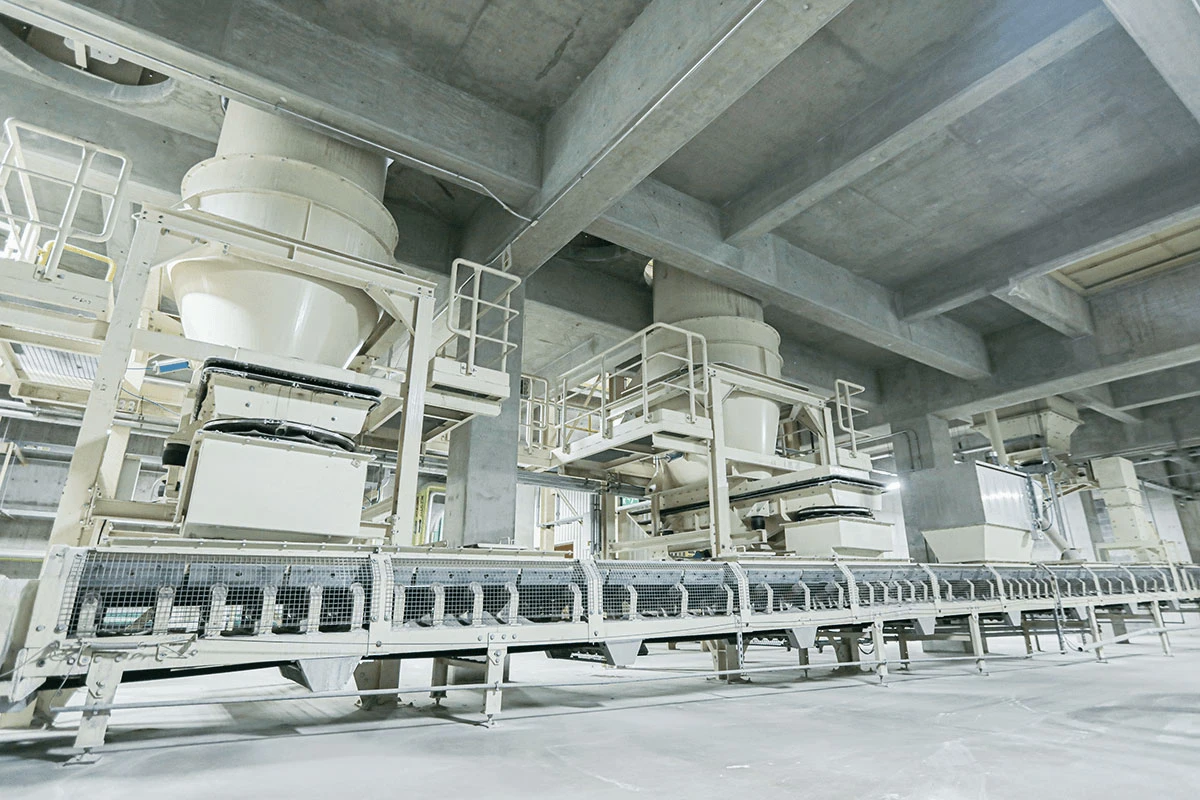
Audits are one of the most dependable ways to ensure a long, reliable and efficient service life for your batch plant. Taking into account advances in tech, wear and tear, changes to glass types, future expansion and even the developing skillset of the operators has multiple benefits for costs, glass quality and the efficacy of your plant.
Defining requirements clearly at the outset means new ideas and modern technologies can be incorporated into the initial concept more effectively than if introduced later in the project lifecycle.
The objective is always to deliver lasting solutions through close collaboration, technical expertise and ongoing support. Having been involved in countless batch plant upgrades, EME is well positioned to help anticipate the operational and technical challenges that can arise over a furnace’s lifetime.
Over the years, EME has executed numerous audits and conceptual engineering projects around the world, drawing on more than a century of experience and a long history of successful partnerships, below is an outline of what the process consists of.
Technology should be a key focus in any audit. Auditors examine individual system components and assess performance data to determine how efficiently and effectively the plant is operating. Prioritising modern equipment and techniques ensures a balance between performance, CAPEX and operating costs.
Over time, changes to raw materials, batch composition and cullet can cause the system to deviate from its projected performance. Cycle times are recorded, calculated and evaluated to identify areas where the current performance differs from the original design and where productivity can be improved.
Audits also consider tech advancements that may have occurred since the original installation. Where newer, more efficient equipment is available, upgrades may be recommended to maximise output, reliability and energy efficiency.
Auditors will evaluate whether components can be optimised to reduce wear and extend service life, either through design modifications or the use of more wear-resistant materials. Filter systems and suction points are inspected, with solutions proposed to minimise spillage and dust exposure resulting from outdated design or insufficient maintenance.
Dosing equipment is another critical area. Worn screws can affect dosing time and accuracy, leading to batch inconsistencies. Dynamic dosing accuracy is checked for screws, vibrating feeders and vibratory tubular feeders. Modifications or replacements are often required to achieve the required precision. Silo wall thickness can also be measured without, however, performing a statistic assessment. Calibration of scales is not part of the standard audit, but can be added on request.
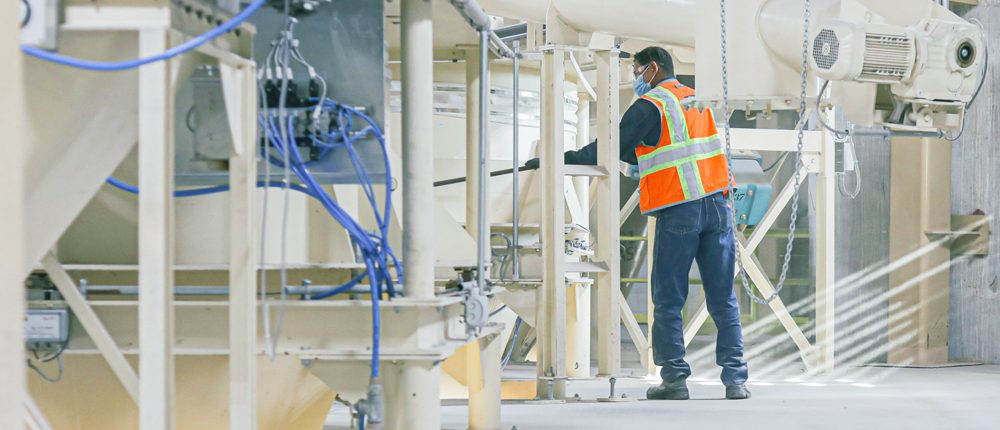
A complete understanding of the furnace interface is essential to achieving a truly holistic assessment, as batch plant performance cannot be isolated from furnace operation.
The audit encompasses the entire electrical system, including both hardware and software, to ensure systems are functioning correctly, remain supported and are aligned with current standards. In many cases, upgrading the SCADA system is recommended to improve monitoring, control and data acquisition capabilities.
By reducing dependence on manual intervention, plants can improve consistency, enhance efficiency and mitigate labor-related risks, while also lowering maintenance efforts and minimising unscheduled downtime.
Safety is always reviewed in parallel. The audit assesses compliance with industry-standard safety norms and operationals safety standards and identifies any potential areas for optimisation.
Input from operators and maintenance engineers is an important part of any good audit. As these teams are ultimately responsible for operating and maintaining the plant, incorporating their feedback into proposed solutions is essential. Their familiarity with day-to-day operations provides crucial insight into persistent issues, maintenance challenges and opportunities for improvement.
Once a path has been defined, conceptual engineering typically comes next. This stage includes the development of a principal flowsheet, layout drawings and detailed technical specifications, along with a clear plan of execution.
Because batch plants often supply multiple furnaces, they are rarely taken fully out of operation, which makes upgrades particularly challenging. As work must be completed within limited time windows, meticulous planning, coordination and organisation are all critical to executing upgrades safely and efficiently.
In addition to one-off audits, quarterly, annual or biennial plant checks should form the basis of a program of preventative maintenance. This is vital for monitoring the condition of equipment and wear over time, helping to optimise maintenance planning, extend equipment life and avoid unplanned downtime.
By providing a structured, data-driven understanding of current performance and future requirements, batch plant audits play a vital role in ensuring sustainable, efficient and reliable glass production for the long term.